
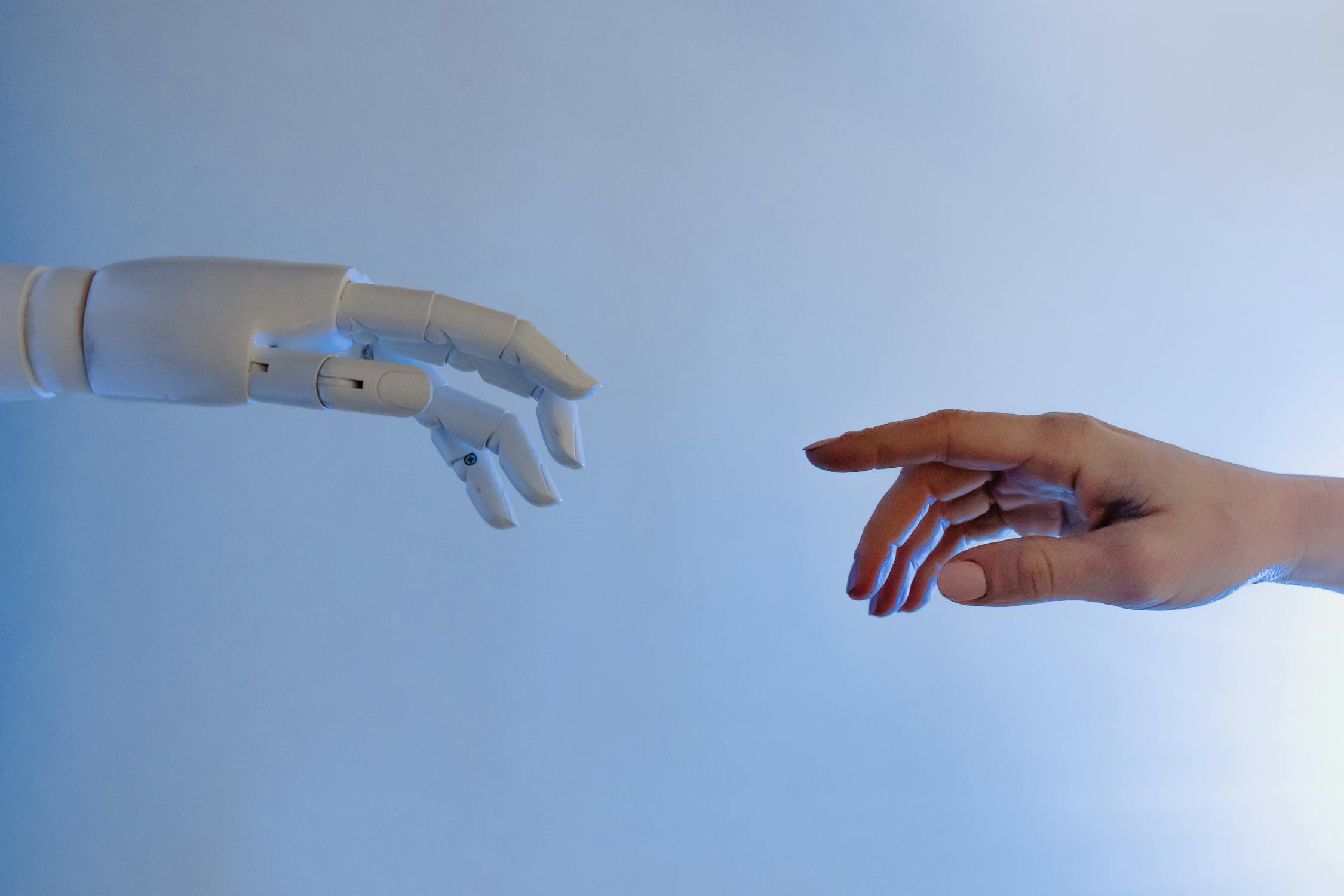
Human Resources has always been about people. However, as organizations grow, managing employees, recruitment, compliance, and workforce engagement becomes increasingly complex. Traditional HR management systems have helped digitize these processes, but they often rely heavily on manual input, repetitive workflows, and reactive decision-making.
Today, Artificial Intelligence (AI) is changing that. AI is transforming HR from an administrative function into a strategic business partner by automating repetitive tasks, providing actionable insights, and helping organizations make faster, smarter, and more consistent decisions.
The Evolution of HR Technology
The journey of HR technology has evolved through several stages:
Paper-based HR
Employee records, leave requests, and approvals managed manually.
Digital HR Systems
Core HR processes moved online, reducing paperwork and improving accessibility.
Cloud-Based Platforms
Employees and managers gained self-service capabilities with access from anywhere.
AI-Powered HR Platforms
Intelligent automation, predictive analytics, and AI assistants redefining the employee experience.
Organizations are no longer looking for software that simply stores employee data—they need platforms that actively help HR teams work smarter.
Why Businesses Are Adopting AI in HR
1. Automating Repetitive Tasks
Common tasks AI can automate
- • Processing employee documents
- • Managing leave requests
- • Scheduling interviews
- • Tracking attendance
- • Sending reminders and follow-ups
AI automates these routine activities, allowing HR teams to focus on strategic initiatives such as talent development, employee engagement, and organizational growth.
2. Faster Recruitment
Finding the right candidate has become increasingly challenging. AI helps recruiters by matching resumes with job requirements, ranking candidates based on skills and experience, and identifying the best-fit applicants — reducing manual screening time dramatically.
Instead of reviewing hundreds of resumes manually, recruiters can focus on interviewing the most qualified candidates.
3. Better Decision Making
Modern HR generates enormous amounts of data. AI can analyze this information to provide insights such as recruitment performance, employee turnover trends, leave patterns, workforce productivity, and skills gaps.
Data-Driven HR Insights
Recruitment Performance
Track time-to-hire, offer acceptance rates, and source quality.
Turnover Trends
Predict which employees are at risk of leaving and why.
Leave Patterns
Understand seasonal absences and plan capacity accordingly.
Skills Gaps
Identify training needs before they become business risks.
4. Improved Employee Experience
Employees expect workplace experiences that are as seamless as the apps they use every day. AI-powered HR platforms can provide instant answers to HR questions, self-service document access, automated leave approvals, personalized onboarding experiences, and faster support through AI assistants.
This improves employee satisfaction while reducing the workload on HR teams.
5. Reducing Human Error
Manual HR processes often lead to missing documents, incorrect employee records, delayed approvals, payroll mistakes, and compliance risks. AI-driven workflows reduce these errors by automating validation, reminders, and approval processes.
6. Supporting Business Growth
As companies scale, HR responsibilities grow exponentially. AI enables organizations to manage larger workforces efficiently, standardize HR processes, maintain compliance, reduce operational costs, and scale without proportionally increasing HR headcount. This makes AI an essential tool for growing businesses.
The Future of HR Is Intelligent
AI is no longer replacing HR professionals — it is empowering them. The future HR team will spend less time on repetitive administration and more time on:
- Developing talent
- Building company culture
- Supporting employee wellbeing
- Strategic workforce planning
- Driving business transformation
AI acts as an intelligent assistant, allowing HR professionals to focus on what matters most: people.
How SimpleHR Helps Organizations Embrace AI
At SimpleHR, we're building the next generation of HR technology by combining powerful automation with intelligent AI capabilities. With SimpleHR, organizations can:
Centralize Employee Management
Secure employee profiles and document storage.
Automate Document Signing
Contracts, policies, and onboarding paperwork.
Track Company Assets
Monitor assets and devices throughout the employee lifecycle.
Monitor Attendance
Real-time check-in and check-out tracking.
Simplify Leave Management
Automated requests, approvals, and balance tracking.
AI-Powered Recruitment
Screen resumes, match candidates, streamline hiring.
Generate HR Insights
Dashboards and analytics for smarter workforce decisions.
Rather than replacing HR professionals, SimpleHR helps them eliminate repetitive work, improve efficiency, and create better employee experiences.
Ready for AI-Powered HR?
The HR industry is entering a new era where automation and artificial intelligence are becoming essential rather than optional. Organizations that embrace AI today will be better equipped to attract top talent, improve employee experiences, reduce administrative overhead, and make informed decisions that drive long-term success.
The future of HR isn't just digital — it's AI-powered.